
Optimal Potato Varieties Selection for Industrial French Fries Manufacturing in Pakistan
Pakistan processes 450,000 metric tons of potatoes annually with only 12% meeting international frozen french fries standards. Selecting the right varieties can increase processing yield by 18-22% and reduce waste costs by $340 per ton. Local climate adaptation and tuber physiology directly impact profitability for B2B frozen food manufacturers targeting domestic and export markets.
- Recommended Capacity: 2-5 tons per hour processing line
- Best Variety: Cardinal and Asterix hybrids
- Ideal Configuration: 1.8-2.2mm strip cut for QSR supply
- Optimal Scale: 8,000-12,000 tons annual throughput
- Selection Criteria: Dry matter above 22%, reducing sugars below 0.35%
European processors in Belgium achieve 94% AA-grade fry rates by using region-specific variety selection protocols. Pakistani manufacturers adopting similar data-driven selection methods can capture the $127 million regional import substitution market while meeting GCC export specifications.
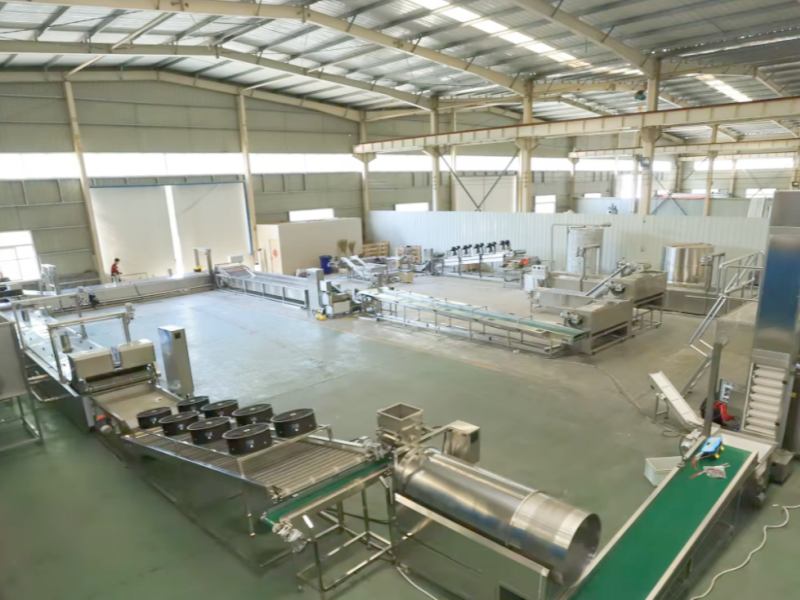
Pakistani Market Context for French Fries Processing Potatoes
Pakistan ranks among the top 20 global potato producers with 3.8 million tons annual harvest, yet faces critical gaps in processing-grade tuber availability. The Punjab region contributes 78% of national output, but less than 15% meets the specific gravity and dry matter thresholds required by industrial blanching and frying systems. This creates a procurement bottleneck for frozen food manufacturers serving quick-service restaurant chains and retail channels.
Climate variation between Rabi and Kharif seasons significantly impacts tuber quality. Winter-crop potatoes (Rabi) demonstrate 8-12% higher dry matter content due to lower night temperatures during tuber bulking, making them preferable for processing contracts. Summer crops often exhibit excessive moisture and sugar accumulation, leading to dark fry colors that fail international quality standards.
Critical Selection Criteria for Processing-Grade Varieties
Industrial french fries production demands potatoes with specific physicochemical properties that withstand high-temperature blanching at 85-95°C and frying at 170-180°C. The wrong variety choice causes excessive oil absorption, breakage during freezing, and inconsistent golden color that triggers customer rejections. B2B buyers must evaluate varieties through processing trials rather than raw tuber appearance alone.
Dry Matter Content and Starch Profile
Processing efficiency correlates directly with dry matter percentages above 22%. Each 1% increase in dry matter reduces oil uptake by 0.8% and improves final product texture. Pakistani varieties must achieve minimum 20% dry matter, with premium selections reaching 24-26%. Starch granule size distribution affects blanching penetration rates and determines whether tubers require pre-treatment adjustments in production line settings.
Reducing Sugar Specifications for Color Control
Post-harvest storage at 8-10°C causes reducing sugars to accumulate, creating Maillard reaction browning during frying. Acceptable levels must remain below 0.35% glucose equivalent for AA-grade fries. Varieties with inherent low-sugar metabolism during storage reduce the need for reconditioning protocols, saving 5-7 days in processing schedules and cutting energy costs by $12 per ton in controlled atmosphere storage.
| Variety | Dry Matter % | Reducing Sugars % | Yield Ratio | Season Suitability |
|---|---|---|---|---|
| Cardinal | 22-24 | 0.25-0.30 | 1:1.4 | Rabi preferred |
| Asterix | 23-25 | 0.20-0.28 | 1:1.35 | Both seasons |
| Sante | 21-23 | 0.30-0.40 | 1:1.45 | Kharif limited |
Supply Chain and Sourcing Strategy for B2B Manufacturers
Establishing direct contracts with progressive farmers in Kasur, Okara, and Sahiwal districts ensures variety purity and post-harvest handling compliance. Processing companies should specify seed source certification, prohibit sprout inhibitor chemicals that affect fry flavor, and mandate 14-day curing at 15°C before cold storage. These protocols maintain tuber integrity during 6-month processing campaigns and reduce sorting waste from 25% to under 12%.
Forward contracting at planting stage allows processors to influence fertilization regimes, particularly nitrogen rates that impact specific gravity. Excessive nitrogen produces high yields but low dry matter, while controlled application at 180-200 kg per hectare optimizes processing quality. This partnership model secures 70% of annual raw material needs at predictable costs, insulating manufacturers from spot market volatility that can swing 40% between harvest and lean periods.
Commercial Viability Analysis
Processing-grade potatoes command a 35-45% premium over table stock, yet deliver 3.2x higher margin when converted to frozen fries. A 3-ton per hour line processing Cardinal variety at 85% equipment utilization generates $2.1 million annual revenue from 6,800 tons of finished product. Raw material cost represents 58% of total production expense, making variety selection the single largest profitability lever beyond equipment efficiency.
Export market access to GCC countries requires BRCGS certification and consistent fry length distribution. Varieties with oval tuber shape and minimal size variation below 60mm diameter produce 18% more premium 7mm strips compared to round varieties. This dimensional advantage translates to $460 per ton price premiums in Dubai and Kuwait wholesale markets, justifying investment in specialized sorting machinery.

Punjab Processing Facility Case Study
A 4-ton per hour facility in Multan switched from mixed local varieties to contracted Asterix production in 2023. The processor provided certified seed to 120 farmers, implemented digital field monitoring, and established dedicated receiving stations with rapid quality testing. Within one production cycle, average dry matter increased from 19.2% to 23.5%, reducing oil consumption by 11% and achieving 91% AA-grade compliance versus previous 67%.
The operation now runs 280 days annually versus 210 days previously, as consistent raw material quality eliminated production stoppages for equipment recalibration. Annual throughput rose to 9,600 tons finished product with EBITDA margin improving from 18% to 29%. The $380,000 investment in farmer technical support and storage infrastructure delivered full payback in 14 months through combined yield gains and premium pricing.
Frequently Asked Questions for Industrial Buyers
- How do Pakistani potato varieties compare to North American Russet Burbank for processing? Local Cardinal and Asterix hybrids match Russet Burbank in dry matter and fry color when managed properly. They offer 22% lower landed cost but require stricter storage temperature control to prevent sugar accumulation in Pakistan’s hot climate.
- What minimum acreage should processors contract for supply security? A 2-ton per hour line requires 800-1,000 acres of dedicated production to ensure year-round supply. This scale justifies embedded agronomist support and guarantees variety purity through seed control.
- Can existing table potato storage facilities be adapted for processing varieties? Standard cold stores at 2-4°C cause sweetening in processing potatoes. Retrofitting with 8-10°C capacity and humidity control to 85-90% requires $45,000-65,000 investment per 500-ton cell but prevents quality degradation.
- What testing equipment is essential for incoming tuber quality verification? Portable near-infrared spectrometers for dry matter ($12,000) and digital refractometers for sugar content ($2,800) enable rapid receiving decisions. Testing 10% of loads prevents batch contamination that could ruin 4-6 hours of production.